Thinking about buying near the beach in Carlsbad Village or looking a few miles inland? The price gap can feel confusing when homes look similar on paper but sell very differently. You want clarity on what you actually pay for, what features command a premium, and how to compare options the right way. This guide explains the drivers behind coastal vs inland pricing, the trade-offs to weigh, and a simple method to measure the gap for your budget. Let’s dive in.
What drives the coastal premium
Proximity and scarcity
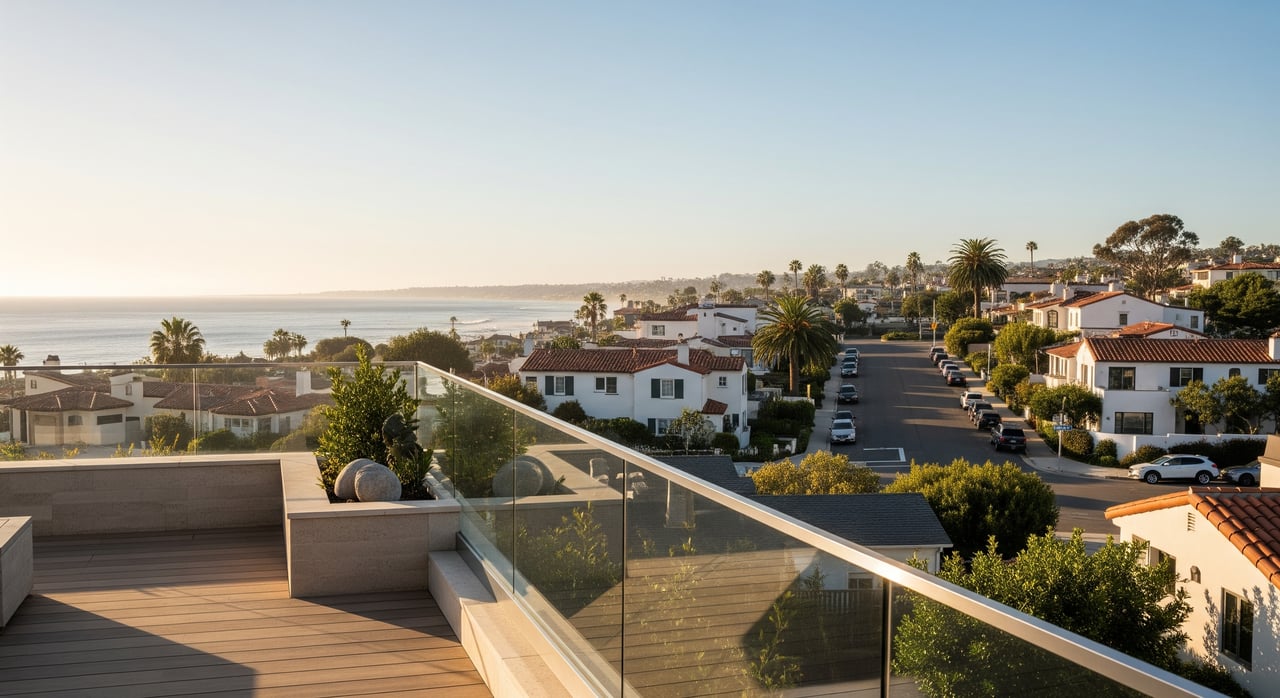
Coastal lots near Carlsbad Village are limited and not easily replaced. That scarcity, paired with steady demand for beach access and lifestyle, pushes prices up. With virtually no new oceanfront supply, even small differences in distance to the sand can translate into meaningful price changes.
Views and orientation
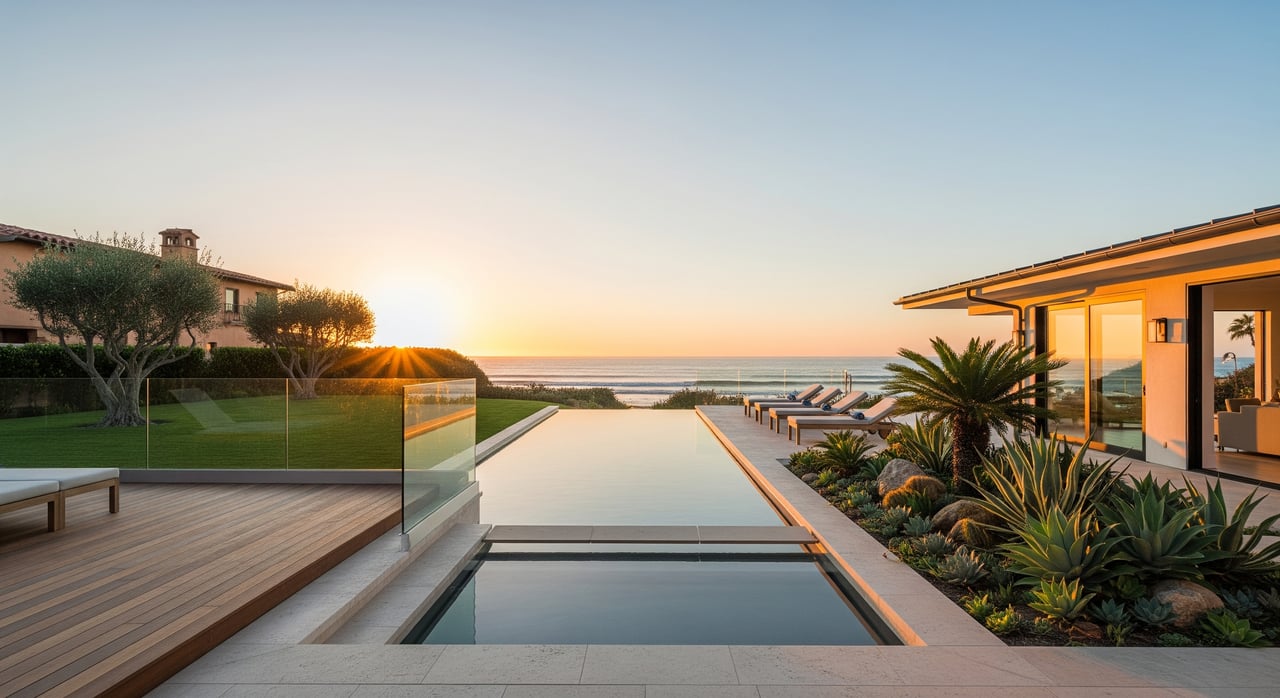
Unobstructed ocean views create a durable premium because you cannot replicate them elsewhere. First-row bluff and direct ocean views typically command the highest uplift. Partial views still add value, but the premium scales with view quality, orientation, and long-term protection of that view.
Walkability and amenities
Carlsbad Village places you close to shops, dining, the beach, and regional rail. Many buyers pay more per square foot to live where daily needs and recreation are an easy walk. In some cases, a well-located Village condo or townhome can rival or exceed the price per square foot of larger inland single-family homes because of lifestyle access.
Microclimate and comfort
Along the coast, temperatures trend milder with more ocean influence. Many buyers value cooler summer days and year-round comfort. Just a few miles inland, you often see warmer conditions, which some buyers prefer for private pool use and yard time. These microclimate differences shape demand on both sides.
Maintenance and hazard costs
Salt air can increase exterior wear, window and metal corrosion, and general maintenance. Coastal bluff or backshore properties may face erosion and storm exposure over time. These risks can raise insurance needs and affect financing or permitting. Smart buyers budget for these operating realities along with the purchase price.
Lot size and home features
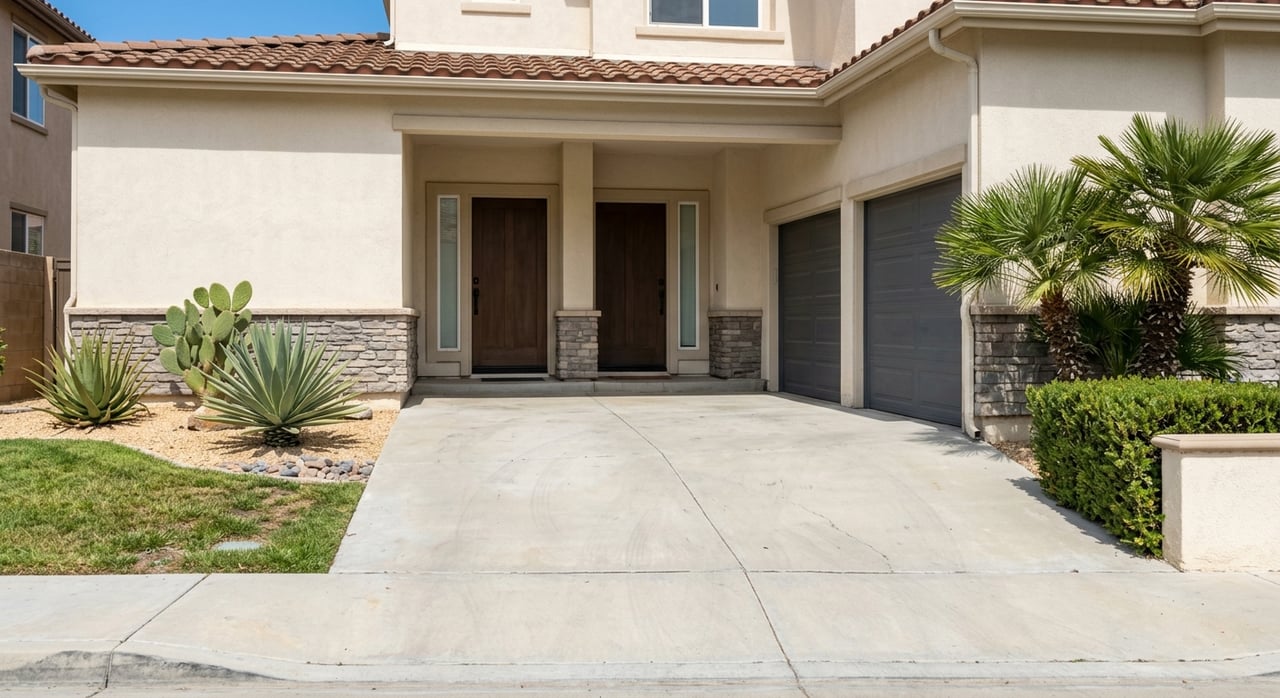
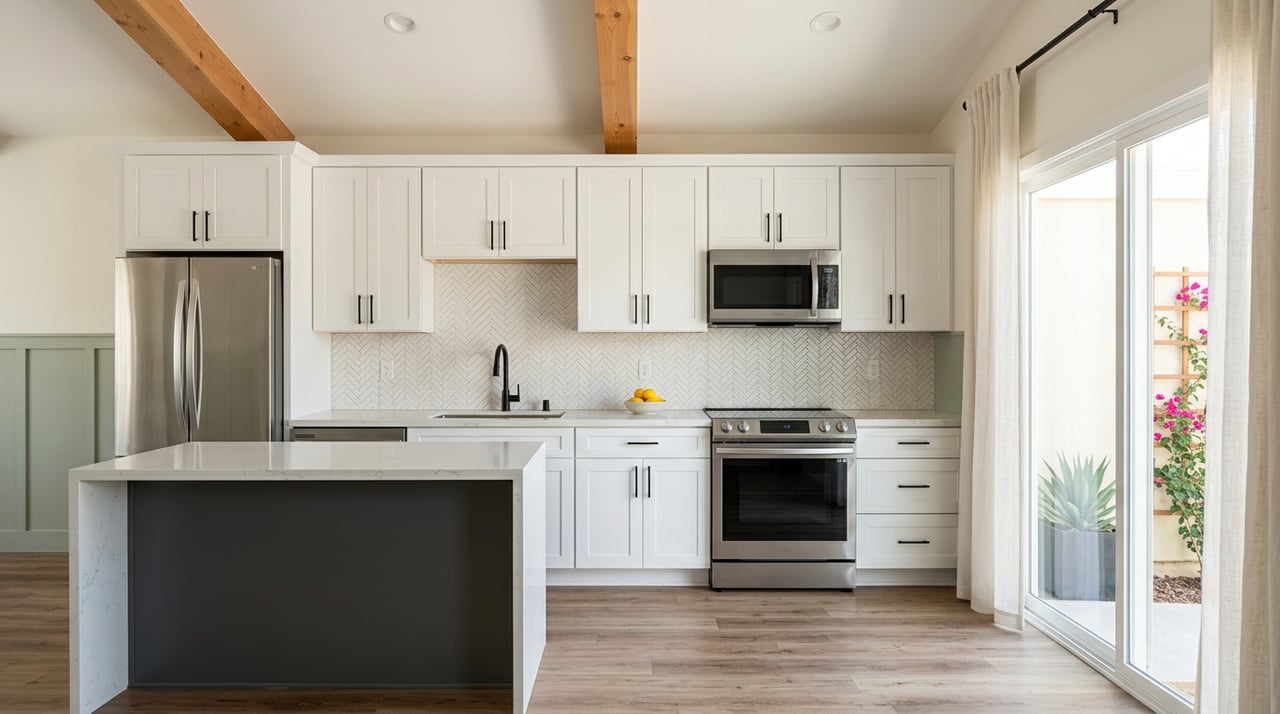
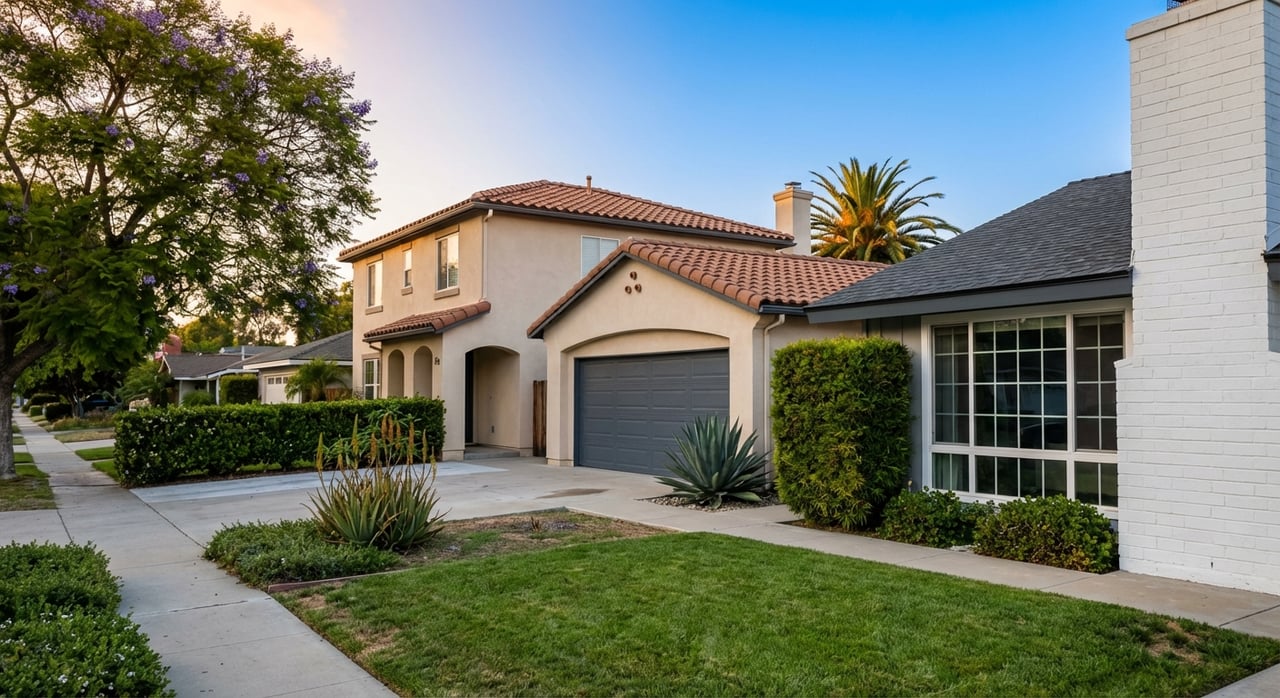
Inland neighborhoods within Carlsbad often offer larger lots, more garage space, and newer construction. That added space and layout flexibility can offset the pull of the beach for many families. The coastal side trades lot size for location, views, and walkability. Your choice depends on which benefits fit your daily life.
Buyer segments and inventory
Luxury, second-home, and investor demand concentrates near the beach, especially for prime view properties. First-time and move-up buyers often target inland neighborhoods for value and space. Shifts in inventory and who is buying can widen or narrow the coastal premium at any given time.
Coastal vs inland: what you get
Entry tier
- Typical product: older Village condos, small 1–2 bedroom flats, or modest inland condos and townhomes.
- Why buyers choose it: lower price point and simpler living with HOA-covered items.
- What adds value: refreshed interiors, secure parking, storage, and short walks to the Village core.
Mid tier
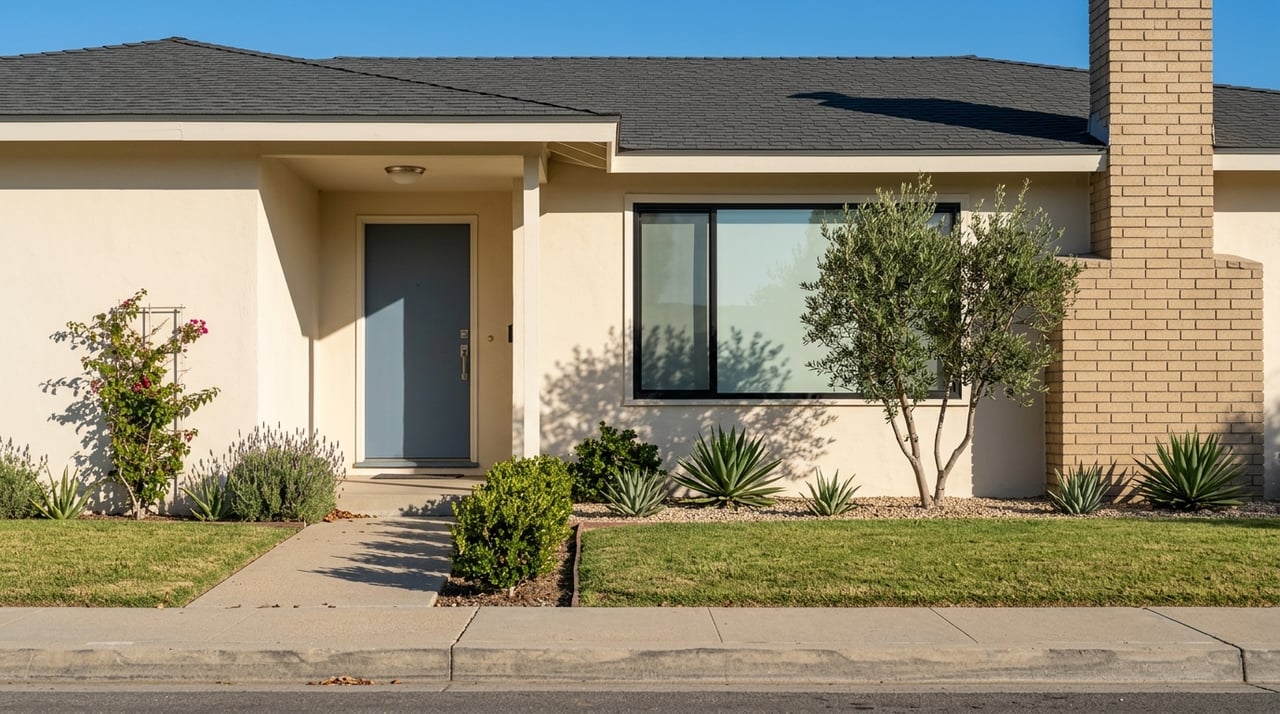
- Typical product: inland single-family homes with smaller lots, larger Village townhomes or condos within a short walk of the beach.
- Why buyers choose it: a balance of square footage and location convenience.
- What adds value: quality remodels, indoor-outdoor flow, partial ocean views, garage parking, and usable yards.
Upper tier
- Typical product: bluff-top homes, first-row ocean-view properties, and remodeled Village cottages in prime spots.
- Why buyers choose it: landmark views, walkability, and prestige.
- What adds value: unobstructed views, outdoor terraces, premium finishes, and direct or very close beach access.
Specialized choices
- Walkable Village condos and townhomes can match or surpass inland homes on a price per square foot basis because of their location advantage.
- Newer inland luxury homes with larger lots, pools, and guest spaces compete for buyers who value privacy and amenities over proximity to the ocean.
How to measure the price gap
You can compare coastal and inland pricing without guesswork by following a simple, transparent method.
1) Define the areas precisely
- Coastal Carlsbad Village: use a clear boundary such as properties within about a half mile of the shoreline or the Village MLS area.
- Inland Carlsbad: select neighborhoods east or southeast of the Village within city limits. Keep the draw area consistent.
2) Compare like-for-like homes
- Separate single-family homes from condos and townhomes.
- Match bedroom count, size ranges, age bands, and condition.
- Use median price and median price per square foot to reduce outlier impact.
3) Use two time windows
- Recent trend: a rolling 12-month sold window shows current market conditions.
- Smoother view: a 36-month window shows longer-term patterns when samples are small.
4) Show the sample size and difference
- Report the median price per square foot for coastal and inland subsets.
- Calculate the percentage difference to describe the coastal premium.
- If samples are small near the beach, expand the time window or include nearby coastal areas with similar characteristics.
5) Add matched-pair examples
- Pick two or three sold pairs with similar size, beds, and condition: one near the coast and one inland.
- Highlight features that explain the price gap, such as views, walkability, or larger yards.
6) Contextualize costs and constraints
- Note any coastal hazard, insurance, or HOA factors that affect ongoing costs.
- Call out local permitting overlays that might limit future expansions near bluffs.
Following this framework helps you make apples-to-apples comparisons and see the real premium attached to location, views, and lifestyle.
Costs and risks to factor in
Coastal hazards and maintenance
- Bluff erosion and storm events can impact long-term plans and operating costs.
- Salt air accelerates wear on windows, railings, and exterior finishes.
- Some properties may sit in flood or hazard zones that require additional diligence.
Insurance and financing
- Exposure near the coast can affect insurance availability and premiums.
- Lenders may require extra documentation or coverage, depending on parcel risk.
Permitting and future plans
- Coastal development rules can limit expansions or major rebuilds, especially near bluffs.
- Plan upgrades with awareness of local permitting timelines and guidelines.
Liquidity at the top end
- Prime oceanfront properties are highly desirable but serve a narrower buyer pool.
- This can lead to more price volatility for the most unique, highest-priced homes.
Who benefits most from each option
Choose coastal if you value
- Daily beach walks, sunsets, and a car-light lifestyle.
- A shorter stroll to shops, dining, and transit.
- Long-term view value that is hard to replicate inland.
Choose inland if you value
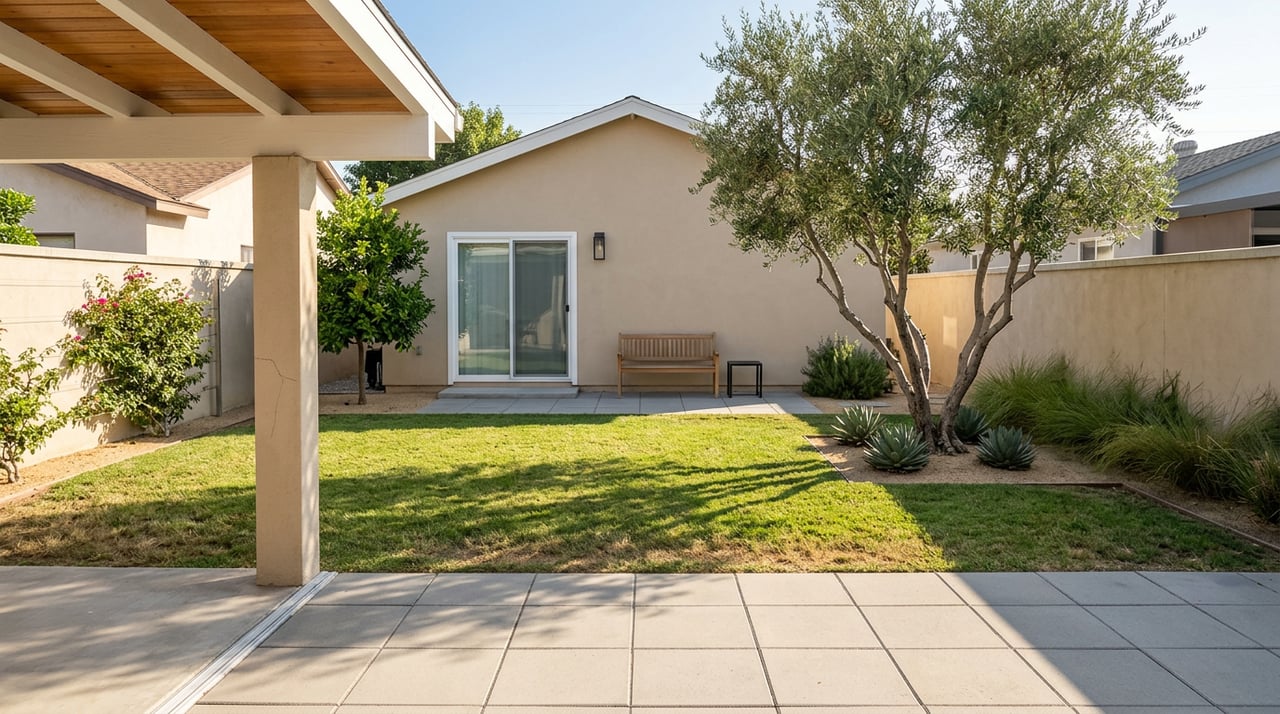
- Bigger lots, more privacy, and room for a pool or ADU.
- Newer construction and garages with better storage.
- A quieter setting with straightforward maintenance.
Neither choice is universally better. The right fit depends on your lifestyle priorities and how you weigh space, budget, and location.
Tips for buyers
- Clarify must-haves: Decide if view, walkability, or lot size matters most.
- Price the full picture: Include HOA dues, maintenance, and insurance in your monthly budget.
- Be flexible on timing: Coastal inventory is limited; inland areas may provide more options.
- Verify constraints: Check potential hazard zones and permitting rules before you commit.
Tips for sellers
- Lead with lifestyle: If you are near the Village, feature walkability, beach access, and outdoor living.
- Optimize presentation: Light improvements and staging can lift perceived value and speed of sale.
- Price with precision: Use recent 12- and 36-month comps for accuracy. Control for size, condition, and view.
- Communicate clearly: If coastal, address maintenance and risk mitigation steps you have taken. If inland, highlight lot size, storage, and flexible layouts.
A clear path to your decision
You now have a framework to understand the price gap between Carlsbad Village coastal homes and inland options, plus the key features that drive premiums. When you evaluate like-for-like homes and include ongoing costs, the right choice becomes much clearer.
If you want a tailored comparison with recent solds and a plan for timing, pricing, and negotiation, the Cronin Team can help. With deep North County experience, a marketing-forward listing process, staging guidance, weekly seller reporting, and closing concierge support, you get clear advice at every step.
Ready to make a confident move? Connect with the Cronin Team - Ron and Michelle Cronin to compare homes, refine your budget, and Request Your Free Home Valuation.
FAQs
Carlsbad Village ocean-view premium: how much more?
- There is no single number. The premium depends on view quality and proximity. Compare median price per square foot for matched coastal and inland comps over recent 12 and 36 months to estimate the difference.
Coastal maintenance and insurance: what should I expect?
- Plan for higher exterior upkeep due to salt air and potential insurance needs for hazard exposure. Confirm parcel-specific requirements and premiums during due diligence.
Walkable Village condos vs inland houses: which costs more?
- On a price per square foot basis, walkable Village condos and townhomes can rival or exceed inland single-family homes because buyers value location and lifestyle access.
Permitting near bluffs in Carlsbad: what to know?
- Coastal development rules may limit additions or rebuilds near bluffs. Review local overlays and timelines early if you plan major changes.
Inland Carlsbad value: what are the key benefits?
- You often get larger lots, newer construction, and more storage or garage space. These features can outweigh coastal location for buyers who prioritize room and privacy.