
Living In Oceanside: Neighborhoods And Lifestyles Explained
Is Oceanside calling your name, but you are not sure which neighborhood fits your lifestyle? Maybe you want morning surf sessions, a quieter suburban pace, or easy rail access for a stress-free commute. This guide breaks down where to live, how to get around, and what daily life really feels like across the city. You will learn the tradeoffs, the hidden perks, and smart steps to choose your best match. Let’s dive in.
Oceanside sits on the north edge of San Diego County along the I‑5 corridor, with Carlsbad to the south and Camp Pendleton to the north. The city blends beach town energy with suburban convenience and a growing downtown scene.
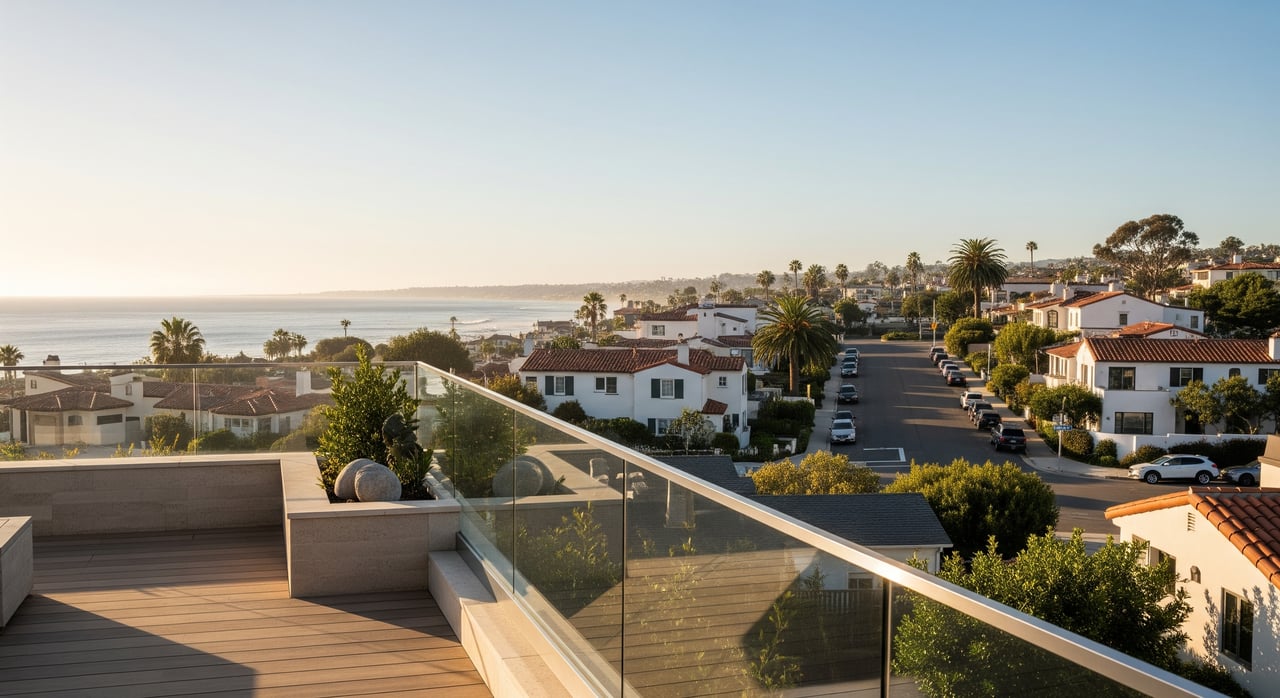
If you want to live by the water and walk to restaurants, coffee, and the beach, start here. Downtown around the pier, the Harbor district, and South Oceanside offer beach cottages, older bungalows, condos, and newer infill buildings. You will feel the buzz in summer, with more foot traffic, events, and visitors.
Expect smaller lots and higher prices per square foot, especially close to the sand or with ocean views. You will also be near the Oceanside Transit Center, which is a plus if you commute by rail.
Pros
Considerations
Between the coast and I‑5, you will find a mix of single‑family homes on modest lots, townhomes, and small apartment buildings. The Mission Avenue corridor provides everyday services, grocery options, and local businesses. This area offers a balanced lifestyle with decent walkability near commercial nodes and quick access to the freeway.
Prices are typically lower than prime coastal blocks but higher than the more distant inland tracts. Street activity and traffic can vary by block, so it pays to visit at different times of day.
Pros
Considerations
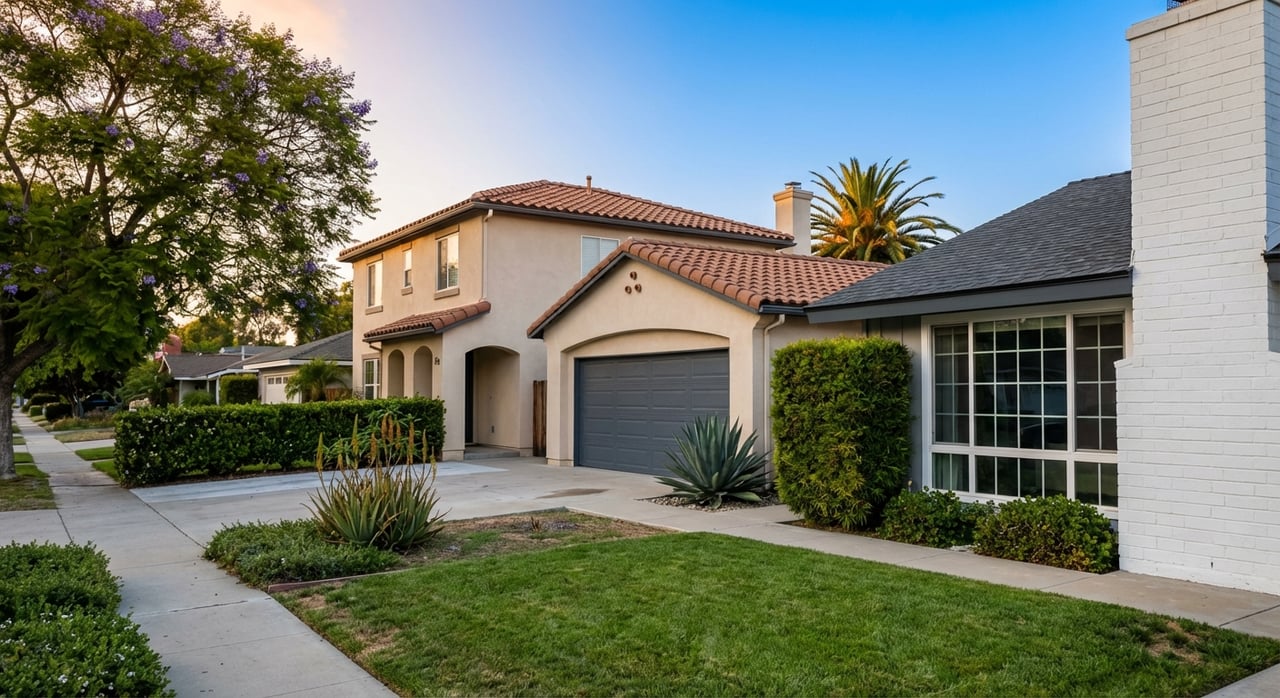
East of I‑5 you will see planned subdivisions with larger homes, cul‑de‑sacs, and community parks. Rancho Del Oro and surrounding tracts draw buyers who want more space, newer construction, and a quieter, residential feel. You will rely more on the car for beach trips and downtown nights out, but you gain square footage and yard space.
Many of these communities include HOAs and, in some cases, Mello‑Roos or special assessments. Always review property tax and HOA documents during due diligence.
Pros
Considerations
Further inland and toward the foothills, some areas offer a semi‑rural feel, larger lots, and even equestrian properties. You may find more privacy, views, and open space. This lifestyle suits buyers who want room to spread out and do not mind longer drives for groceries or beach time.
Terrain and brush can elevate wildfire considerations in certain pockets. Verify insurance availability and local risk factors as part of your research.
Pros
Considerations
Interstate 5 is the main corridor for north‑south travel, while State Route 76 serves east‑west trips. Peak‑hour traffic can extend drive times toward downtown San Diego and along coastal bottlenecks.
Oceanside Transit Center is one of North County’s best rail connections. You have multiple options:
Depending on the time of day, you can reach downtown San Diego in roughly 35 to 60 minutes by car. By rail, typical travel times often range from about 40 to 60 minutes, including station time and transfers.
Beach parking and downtown parking can be tight in the summer. If you plan to commute by train, check park‑and‑ride availability early.
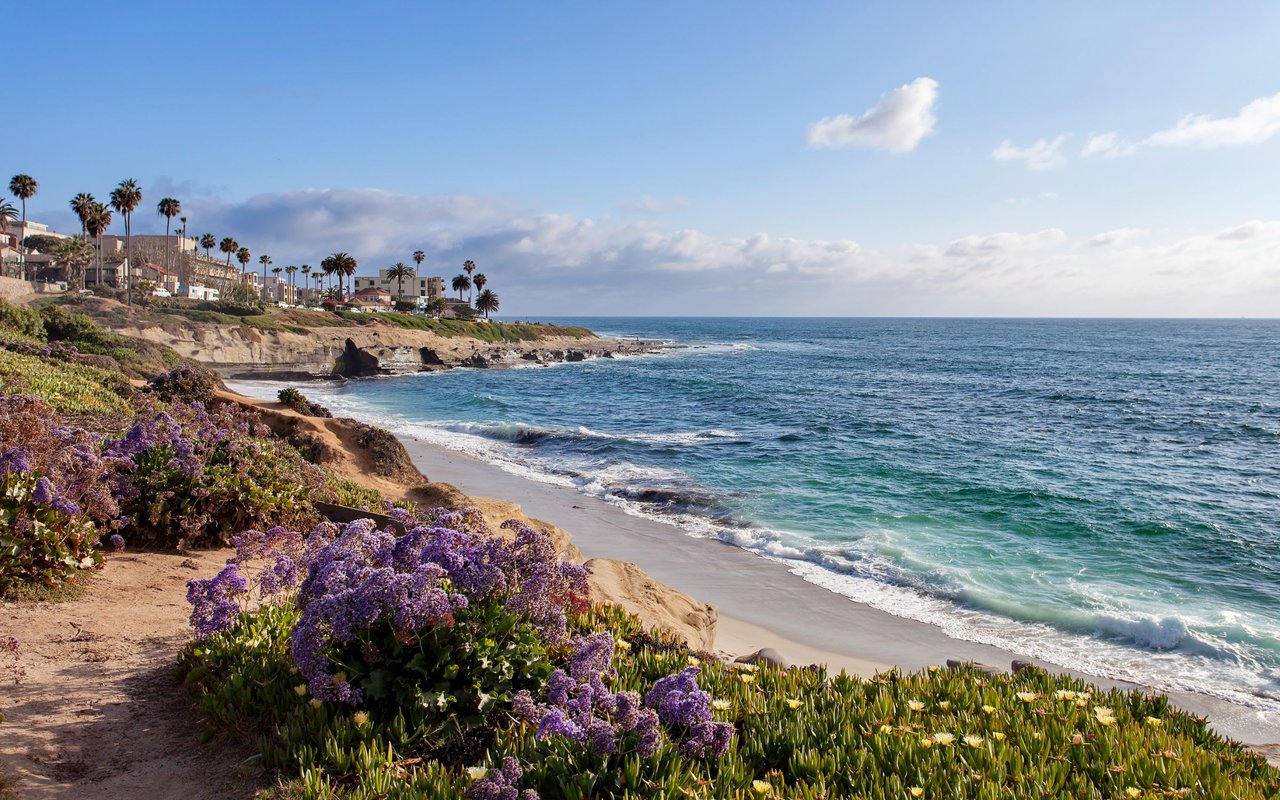
The Oceanside Pier anchors a lively beachfront scene, while Harbor Beach serves the marina community with boat access and waterfront dining. South of the pier, smaller coastal spots like Buccaneer Beach offer a more laid‑back vibe. For a look at activities, beach access, and seasonal events, browse Visit Oceanside’s guides and event listings.
You will find parks across the city for picnics, playgrounds, and sports. On the east side, Guajome Regional Park offers day‑use recreation and trails. Nearby ecological areas such as Buena Vista Lagoon and Batiquitos Lagoon add birdwatching and nature walks to your weekend list.
Everyday needs are covered by local retailers, pharmacies, grocery chains, and medical clinics around Oceanside and neighboring cities. For specialized care or major hospitals, many residents look to broader North County or central San Diego.
Most public schools in the area are part of Oceanside Unified School District. Because school boundaries and programs can change, verify assignments directly with the district. You can review district resources at the Oceanside Unified School District and explore third‑party information on GreatSchools. Use these tools as a starting point, then contact schools to confirm current offerings and enrollment.
Coastal properties can be affected by sea‑level rise, storm surge, and bluff or beach erosion. To understand site‑specific risk, review FEMA flood maps and regional tools from NOAA’s coastal resources. If you are considering a property close to the shoreline, factor potential flood insurance into your cost planning.
The rail corridor runs along the coast, which can mean train noise and vibration near the tracks. Newer inland communities often include HOAs and potential Mello‑Roos assessments, so request all documents early. Oceanside has rules for short‑term rentals that can change over time, so confirm current requirements with the City of Oceanside, especially if rental income is part of your plan.
Standard homeowners policies typically exclude earthquakes, and flood insurance is separate. Ask for recent insurance quotes and any claims history during your contingency period.
Do this homework before you write an offer:
If you want beach‑close living, suburban space, or a rural retreat, Oceanside offers options for every lifestyle. Use official sources to verify details, then get on‑the‑ground to feel each neighborhood’s rhythm. When you are ready to narrow your search or prep a sale, partner with a local team that knows the micro‑markets and the process from first tour to closing.
Have questions or want a neighborhood‑by‑neighborhood plan? Connect with the Cronin Team - Ron and Michelle Cronin for local insight, pricing guidance, and a smooth, full‑service experience.

We strive to transform your aspirations into reality. We don't just work in real estate; we create lasting partnerships built on trust and results. Your success is our mission!
RON CRONIN | CA DRE# 01234750
MICHELLE FERRY-CRONIN | CA DRE# 02010785
EXP REALTY OF SOUTHERN CALIFORNIA, INC. | CA DRE# 02187306
(760) 421-5298
[email protected]
10620 Treena St Ste 230
San Diego, CA 92131