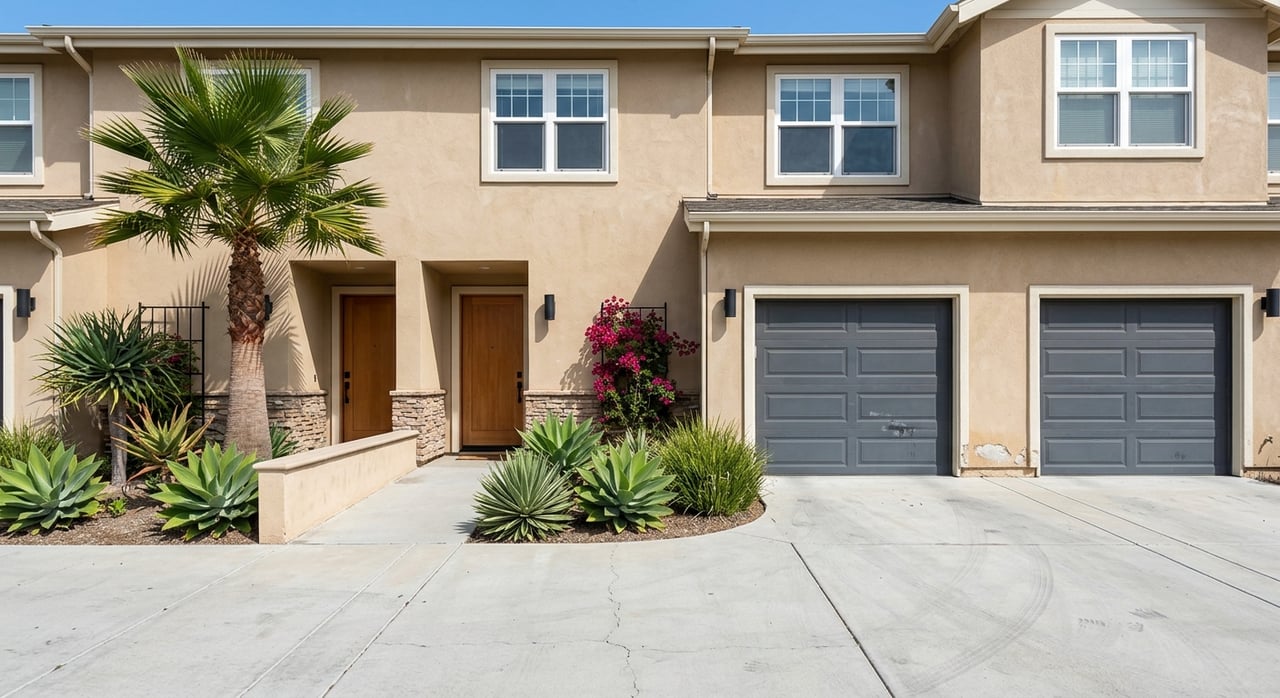
Carlsbad Condos And Townhomes: Buying Basics Explained
Looking at condos and townhomes in Carlsbad Village can feel exciting and a little overwhelming at the same time. Prices, HOA dues, financing rules, parking details, and building documents can all affect whether a home is the right fit for you. If you want a clear starting point, this guide will walk you through the basics so you can shop with more confidence. Let’s dive in.
Carlsbad Village is the historic heart of Carlsbad, generally located north of Oak Avenue, south of Laguna Drive, east of Ocean Street, and west of Interstate 5. The city’s Village and Barrio planning framework focuses on a small-downtown, walkable setting with ongoing attention to parking, mobility, and streetscape improvements.
For many buyers, that mix of coastal access and everyday convenience is the draw. Public beach access points near the Village include Pine, Sycamore, Maple, Cherry, and Tamarack Avenues, along with access via Ocean Street, Carlsbad Village Drive, Grand Avenue, Christiansen Way, Beech Avenue, and Rue des Chateaux.
That location comes at a premium. Recent snapshots showed median listing and sale prices well above many other parts of North County San Diego, with active attached-home listings ranging from about $795,000 to roughly $3 million depending on size, location, and features.
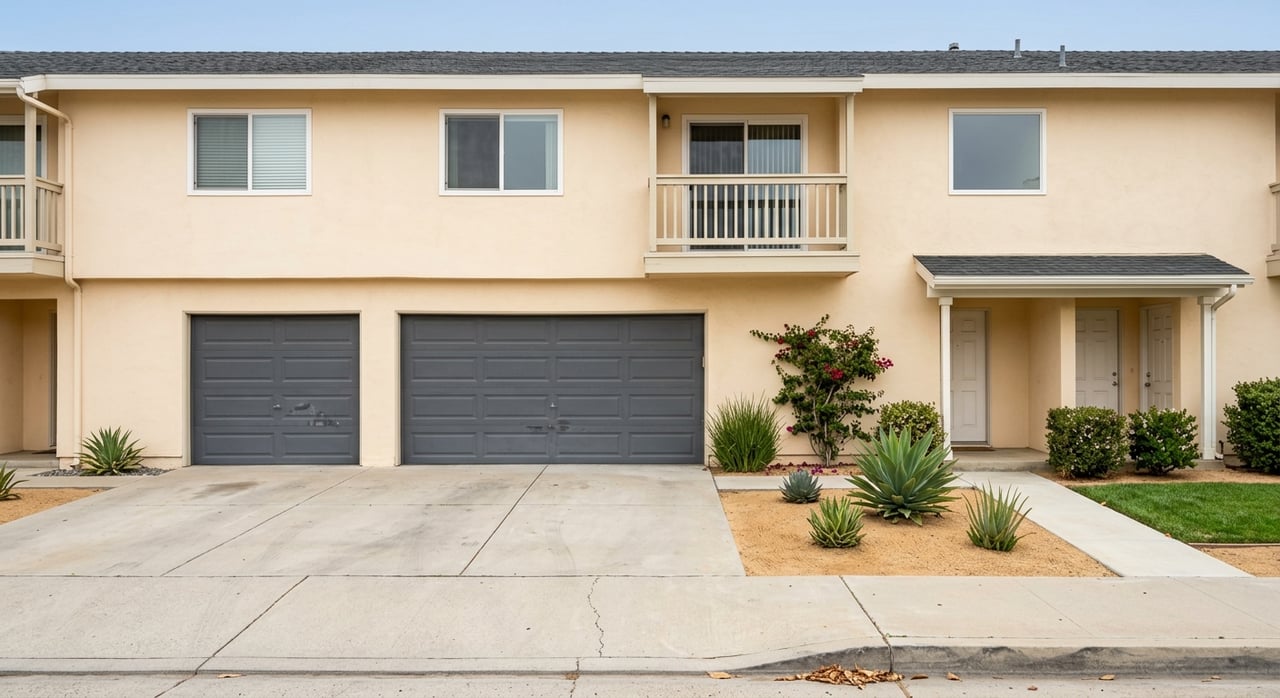
A condo and a townhome may look similar from the outside, but the ownership structure can differ in important ways. A condo typically means you own your individual unit and share ownership of common areas and facilities with other owners.
A townhome is commonly a multi-level home attached to another home by one or more shared walls. In day-to-day life, the bigger issue is often not the marketing label but the actual project documents that explain what you own, what the HOA maintains, and what rules apply.
That is why buyers should look past the listing description alone. Recorded project documents, HOA disclosures, CC&Rs, and bylaws usually give the clearest picture of your ownership rights and responsibilities.
In Carlsbad Village, attached homes can offer a lower-maintenance lifestyle compared with many detached homes. That can be appealing if you want less exterior upkeep and more time to enjoy the area.
Current Village listings also show the kinds of features many buyers are looking for, such as ocean or lagoon views, private decks, two-car garages, and walkability to local cafes, restaurants, and beach access. Still, every property is different, so it helps to compare homes based on both lifestyle and monthly cost.
HOA dues are one of the first numbers you should study before writing an offer. These dues are typically paid separately from your mortgage payment and usually help cover community operating costs and reserve funding.
That matters in Carlsbad Village because dues can vary quite a bit. Current examples in and around the area show monthly dues ranging from about $400 to $1,272, with some townhome-style properties around $850 per month.
A lower purchase price does not always mean a lower monthly cost. When you compare homes, make sure you are looking at the full monthly picture, not just the list price.
What is included in HOA dues depends on the project. In some communities, dues may help pay for common-area maintenance, building exterior upkeep, reserve contributions, shared insurance, parking areas, corridors, or amenities.
The key is to verify exactly what the dues cover in writing. You also want to know whether the HOA is contributing enough to reserves for future repairs and replacements.
A healthy reserve fund can reduce the chance of surprise costs later. It is not a guarantee, but it is one of the clearest signs that a community is planning ahead.
California gives buyers important rights when purchasing in a common-interest development. Before closing, the seller must provide governing documents, the most recent required disclosure documents, and a true statement of current regular and special assessments, unpaid assessments, fines, and collection charges.
Reserve disclosures are especially useful because they show replacement costs, reserve balances, and reserve deficiency per unit. These documents can help you understand whether the association appears financially prepared for major future expenses.
This is one reason attached-home purchases require careful review, even when the unit itself looks move-in ready. A beautiful interior does not tell you much about the HOA’s finances or any larger building issues.
Many buyers are surprised to learn that financing a condo can depend on the project, not just the borrower. Some loan programs require the community to meet certain standards related to insurance, financial condition, title issues, litigation, and physical condition.
For FHA financing, condo loans generally require an FHA-approved project or a project that qualifies for Single-Unit Approval. For conventional financing, Fannie Mae also applies project eligibility standards and may flag communities with issues such as insufficient master insurance or critical repair concerns.
This does not mean you should avoid condos or townhomes. It does mean you should ask early whether your loan type will work for the specific property you want.
Insurance is another area where condo and townhome buyers need to look closely. In many condo projects, the association’s master policy usually covers common areas, while the buyer may need HO-6 coverage for the unit interior.
The exact split depends on the project documents and insurance structure. Before you remove contingencies, it is smart to confirm what the HOA insures, what you must insure yourself, and whether the building meets lender requirements.
A special assessment can change your budget quickly. Some communities levy these charges when reserve funds are not enough for a major repair or project.
You should also check whether the property has any fixed-charge special assessments, including Mello-Roos or Community Facilities District charges. In San Diego County, these can be verified by parcel through the county’s special-assessments lookup.
Even if the monthly HOA dues seem manageable, extra assessments can affect affordability. That is why your review should include both current dues and any known added charges.
In a walkable coastal area like Carlsbad Village, parking and mobility are practical issues, not small details. The city’s Village planning efforts specifically emphasize these topics, so buyers should confirm exactly what comes with the property.
Ask whether the home includes assigned spaces, a private garage, guest parking rights, bike storage, or other useful features. If the community offers amenities or common areas, verify your access and any related rules.
These details can affect your daily life as much as square footage. They can also influence resale appeal later on.
Before you move forward on a condo or townhome in Carlsbad Village, make sure you have clear answers to a few core questions:
These questions can help you compare properties more accurately. They can also help you avoid surprises after you are already emotionally invested.
When you are touring homes in Carlsbad Village, it helps to compare each option using the same set of filters. Price is important, but it is only one piece of the puzzle.
A practical comparison might include:
This approach gives you a more realistic view of value. It can also help you spot why one home costs more than another beyond the list price alone.
Buying a condo or townhome in Carlsbad Village is often about balancing lifestyle and structure. You may gain walkability, coastal access, and reduced day-to-day exterior maintenance, but you also take on shared governance, HOA rules, and project-level financial considerations.
If you go in with clear questions and a full monthly budget, you can make a stronger decision. The goal is not just to find a home that looks good today, but one that fits your finances, your loan, and your long-term plans.
If you want experienced, local guidance as you compare condos and townhomes in Carlsbad Village and across North County, connect with Cronin Team - Ron and Michelle Cronin. You will get knowledgeable, hands-on support to help make the process clearer from search to closing.

We strive to transform your aspirations into reality. We don't just work in real estate; we create lasting partnerships built on trust and results. Your success is our mission!

RON CRONIN | CA DRE# 01234750
MICHELLE FERRY-CRONIN | CA DRE# 02010785
EXP REALTY OF SOUTHERN CALIFORNIA, INC. | CA DRE# 02187306
(760) 421-5298
[email protected]
10620 Treena St Ste 230
San Diego, CA 92131